
Kicking off the one-to-one interviews is Jonathan Fuhrmann, a freelance photographer from London.
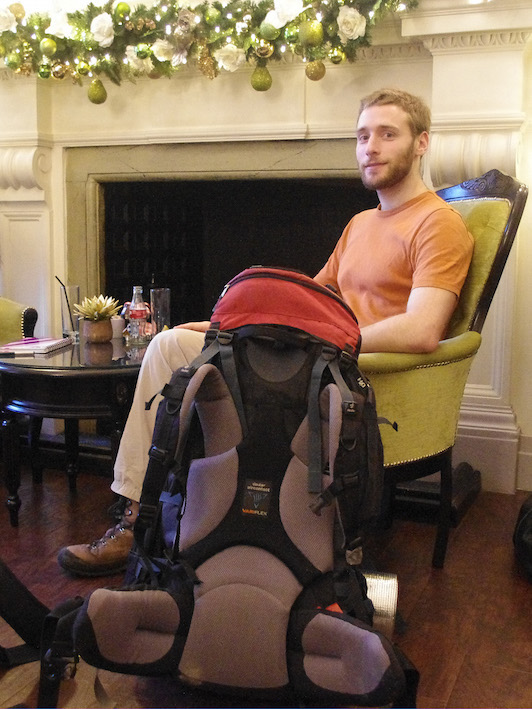
Jonathan
Originally from Vienna, Austria, Jonathan has spent the last eight years in England working as a nature photographer.
We put him in the hot seat to find out how and why he got into photography, as well as his advice for those looking to do the same….
When and why did you first start exploring photography?
I first started to get into photography at university. I studied at Cambridge, which is a beautiful city, so it wasn’t difficult to find stunning buildings to take pictures of.
After graduating, I went travelling for seven months and took my camera with me.
My travels took me to destinations including Nepal, India, Australia, New Zealand, Japan and Korea – and I spent about a month in each destination.
When I got home, I realised how much I enjoyed travelling and taking pictures, and my passion for photography grew from there.
What’s the best thing about being a travel photographer?
Part of the beauty of photography is taking pictures to show people something that they may never get the chance to see for themselves.
There’s no doubt that it’s a tough job. For example, climbing the mountains in Nepal and battling the cold, the wind, the altitude sickness…for me it’s all worth it to get that great shot in which ultimately people will get pleasure from.
And when I hear people appreciating the beauty in my work, any hardship makes it worthwhile.
What do you need to be a great photographer?
Discipline is very important. I used to be a swimmer at school and I trained for 9 years up to national level – I think having this discipline and drive from an early age has helped immensely with my commitment to photography.
In addition to this, pushing myself to new heights and fighting the outdoor elements helps connect me to the place that I’m in at the time. Battling the elements also makes me feel alive – and there’s no greater feeling than that.
What has been your favourite adventure?
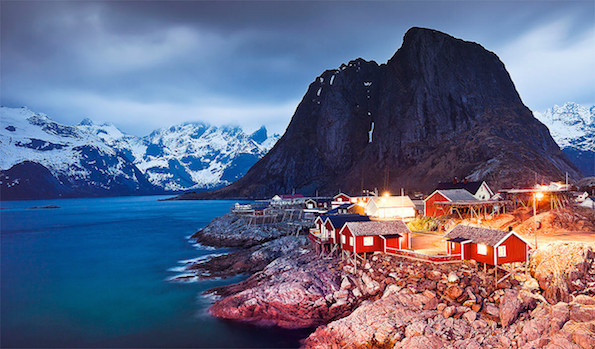
It’s hard to pick one favourite adventure, but one of my most memorable trips was a visit to the Arctic Norway earlier this year.
I went away with a small group of like-minded friends – all of whom were photographers – to see the solar eclipse. We spent quite a few days (and nights) sourcing the best place to take pictures from and didn’t get much sleep at all.
Then on the day of the solar eclipse, it was cloudy. Having said that, I did manage to get an image of the eclipse with the mountains and the ocean in the background. The quality of the light reflecting on the ocean was really unique, so that shot was a great one.

What are some of your favourite photographs?
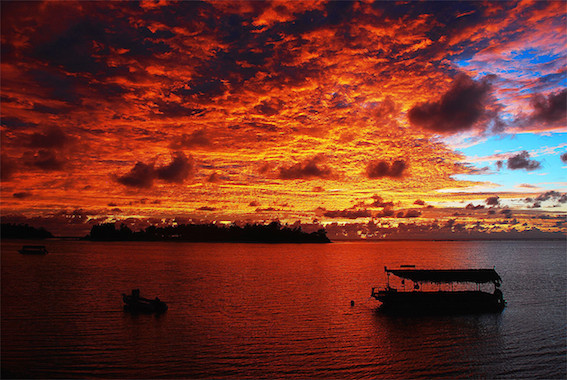
I’d have to say pictures that I’ve taken in the Cook Islands as they are so vivid and bright.
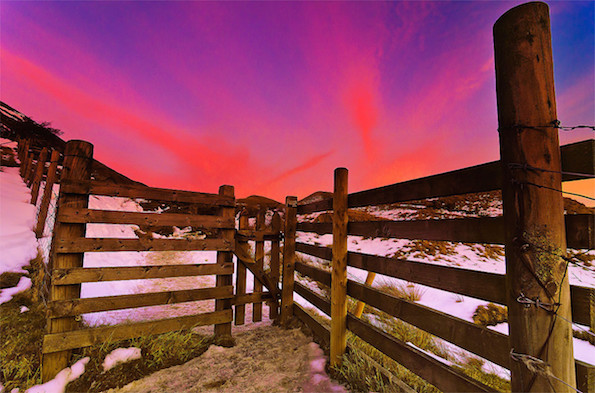
One of my favourite pictures is actually something that was very easy to set up. All I did was get up at sunrise, jumped on my scooter and set off for the biggest hill that I could find. I sat there waiting for the sun to rise and, as it did, there was this explosion of fireworks in the sky of the most amazing colours.
This highlights the importance, if you are planning a photography career, to schedule the best time to take images – sunrise or sunset are two of the best times and sometimes you just have to go with the flow in getting up before dawn to capture the best pictures.
What would you say are some of the downsides of photography?
Each type of photography is very different. For example, if you’re a wildlife photographer you might spend 18 hours cramped in a small tent waiting for the animal to show up and may not even get the shot you are looking for.
Landscape photographers also have to be up early in the morning – usually to make the most of the early light and to find the best location – sometimes it even means sleeping out in the elements.
Is there any one place that you’d like to photograph?
I’m about to head off to Antarctica and I’m incredibly keen to document it, as it’s a place that for me is beyond words. It’s going to be a big learning curve – with the bright white light contrasting with the darker landscape, so I’m extremely excited about it.
What’s interesting is that it’s a place that very few people get to see. And did you know that people actually live out there – even in winter?
They’ll stay there for 6 months living in darkness in small groups of 13 people in -70 to -80 degrees, so if you fall ill there’s no way to get you out. It’s a very intense environment and attracts a very specific type of person – and that’s an interesting project in its own right.
Adventure and activity tourism is tipped to become increasingly popular; what’s your take on this?
In terms of locations, I think people will increasingly seek to find the newest, remotest and most untouched destinations.
Somewhere like Antarctica will only really attract a certain type of person – those interested in extreme, remote or cold locations, but there’s something for everyone these days – from guided bus tours and hiking to base-jumping and para-gliding.
Tourism has morphed into something more experience-based, and people are increasingly looking to create memories – and that’s where adventure tourism comes in. It’s so far removed from people’s day-to-day lives and is now much more accessible, so people are creating memories and taking them back home to share with others.
What will be interesting to see is how destinations will be affected by this shift in travel trends.
What’s your advice to others looking to get into the profession?
Adventure lies around the corner or wherever you choose to look for it. You don’t have to take a transatlantic flight to get some of the best pictures – start by looking closer to home for places or things to photograph.
Being a photographer, it’s about making the most of what nature throws at you. Travel and adventure photography for me amalgamates into fulfilling my drive and wish to see and capture nature at its wildest and most remote– and that’s what drives me.
You do need to be prepared of what nature can throw at you though – so the basic survival skills are necessary. Being a photographer is not going to be an easy career path and it’s not going to be straight forward, but what I will say is that it is do-able if you commit yourself and have the confidence to believe in yourself.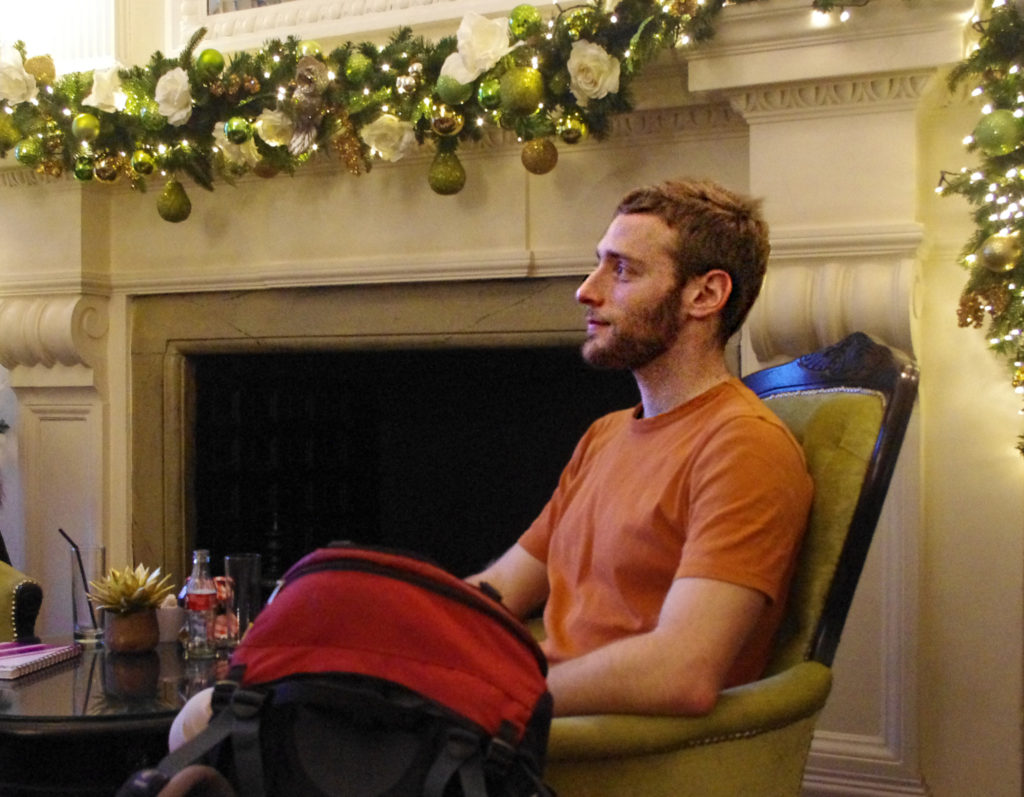
Above all, you have to have the passion to succeed, otherwise you run the risk of taking a hobby you love and turning it into a profession that becomes a source of stress. But if you’re serious about it, take a leap of faith and don’t look back.
See more of Jonathan’s pictures.
Enjoy this? There’s more where that came from! Join us!